EarthTalk®: How To Engage Slacker Teens On Climate And Environment
Only two states require climate education in science curriculums, so, your child is no slacker if the education being taught is "slacking"!
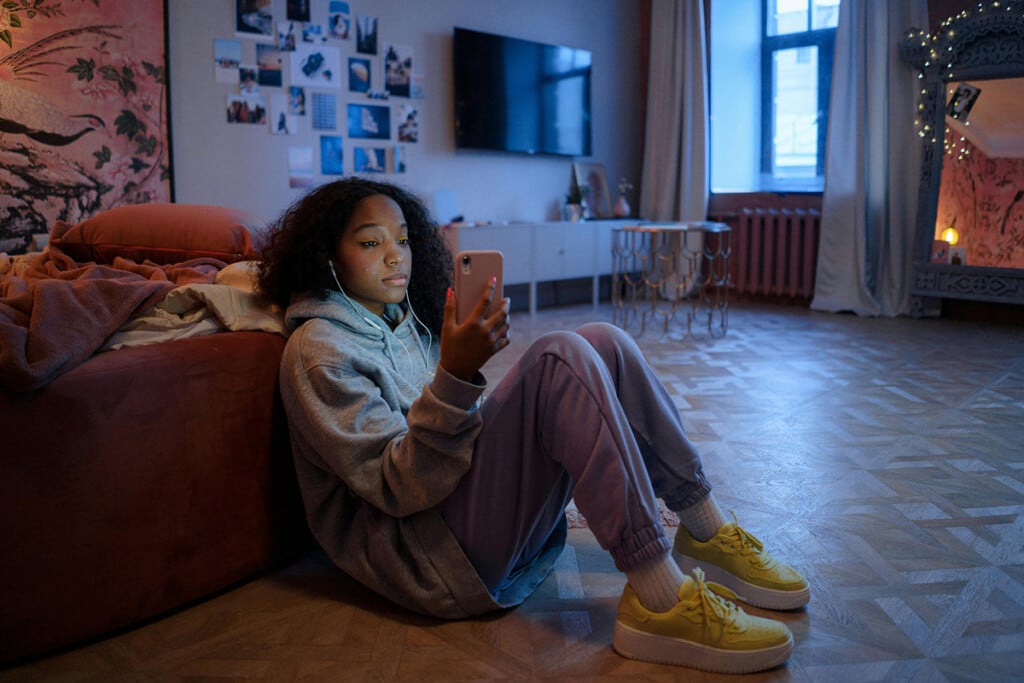
Only two states require climate education in science curriculums, so, your child is no slacker if the education being taught is "slacking"!
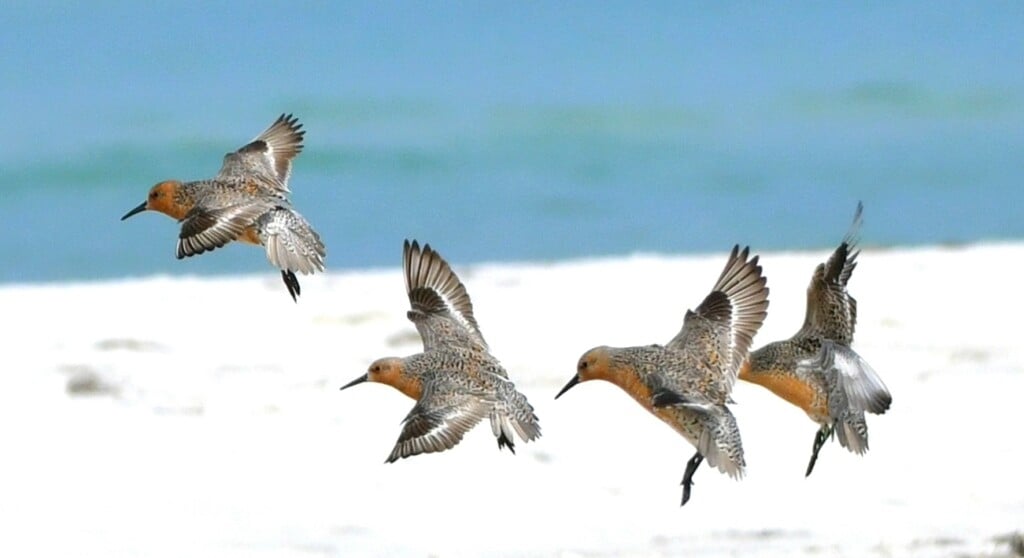
There are many ways to help migrating birds, or any bird, stay safe while in flight. The following are things for both residential and commercial buildings. Some are very easy and inexpensive, but the lives saved are priceless.
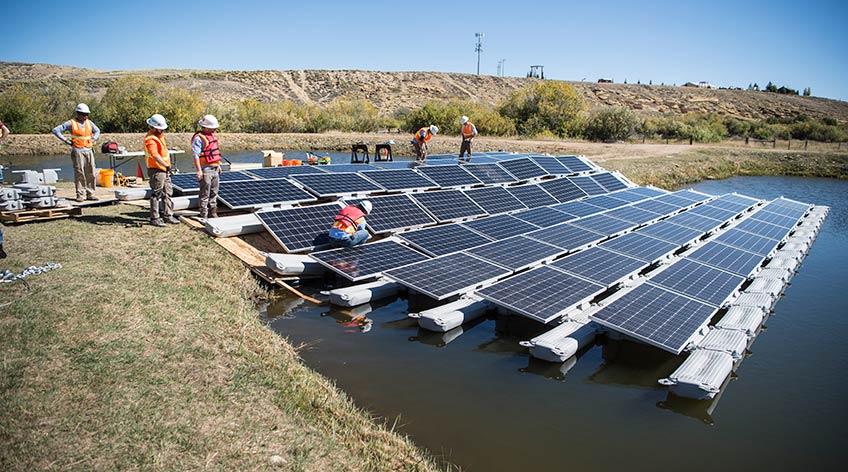
Floating solar farms operate similarly to ground-mounted farms. Devices keeping the system buoyant sit on top of the water, cooling the panels, which increases efficiency.
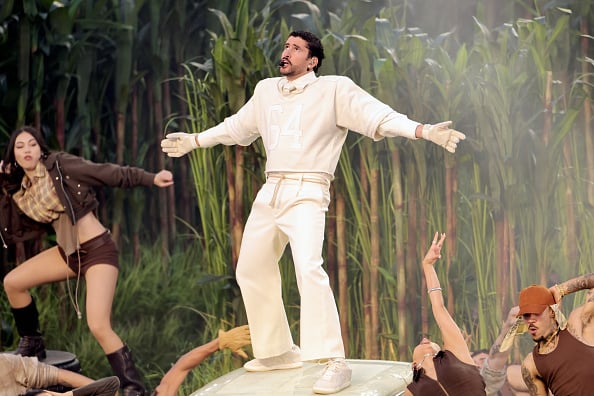
Original article text highlighting Bad Bunny’s role as an environmental justice educator replaced with a disheartening reality check after an angry reader email.
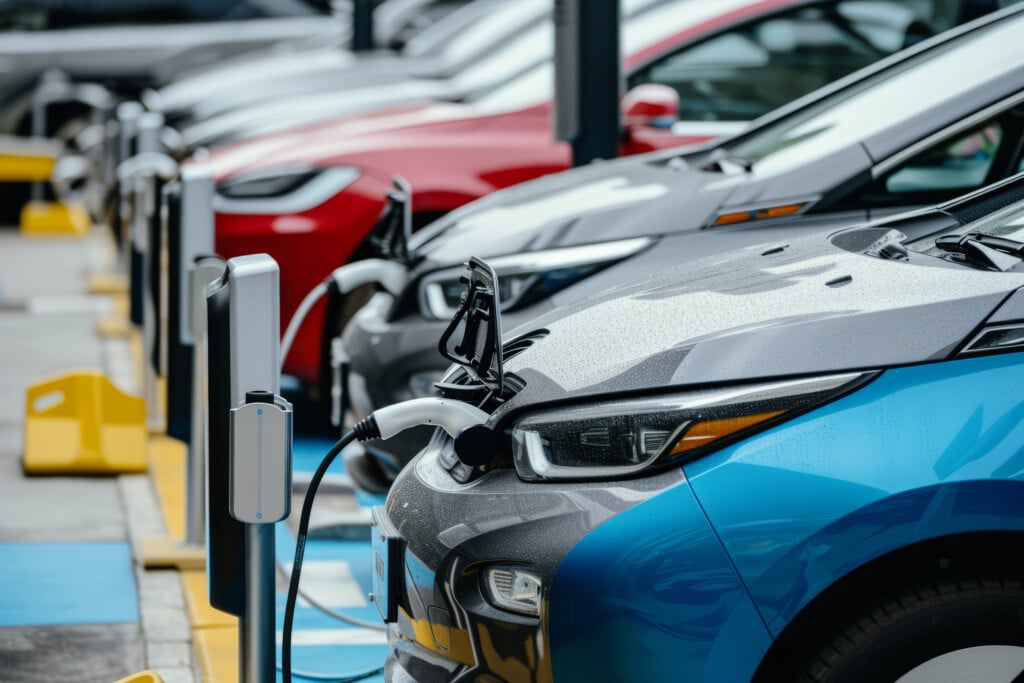
Most EVs can retain 70–90 percent of their original capacity even after years on the road. So, overall battery longevity is far more robust than many assume.

Urban life for many species is not a choice but a necessity. The uninhabited space they had for millions of years has vanished. For them, living near people is based on survival and the drive to find food. As their habitat becomes more fragmented through development, their food sources vanish.

While you enjoy this winter's cache of fresh snowfall, try this non-toxic de-icer for your steps and porch you can make yourself. It works within minutes, and only needs 3 ingredients you probably already have at home.
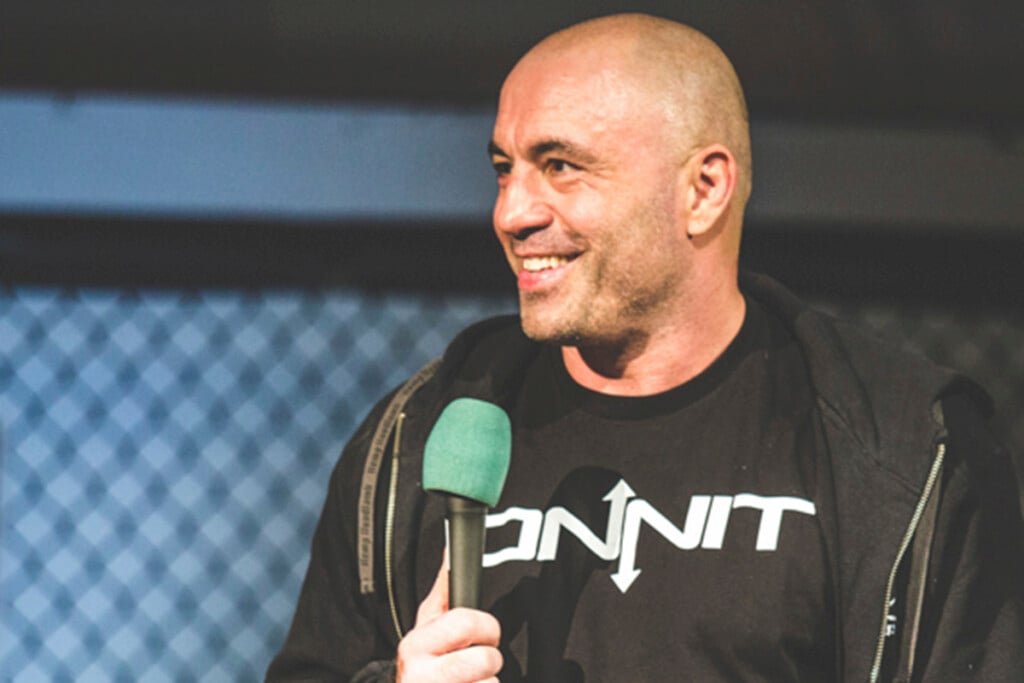
Rogan recently cited data from a 2024 study that shows Earth’s temperature over the last 485 million years. Temperatures have varied, and yes, our current time period is the coolest it's been in a long time.

Wildflowers need space, water, sun and clean air to survive and thrive. A healthy ecosystem flourishes while a toxic one becomes a wasteland. The time is now to be proactive in protecting what open space we have left.
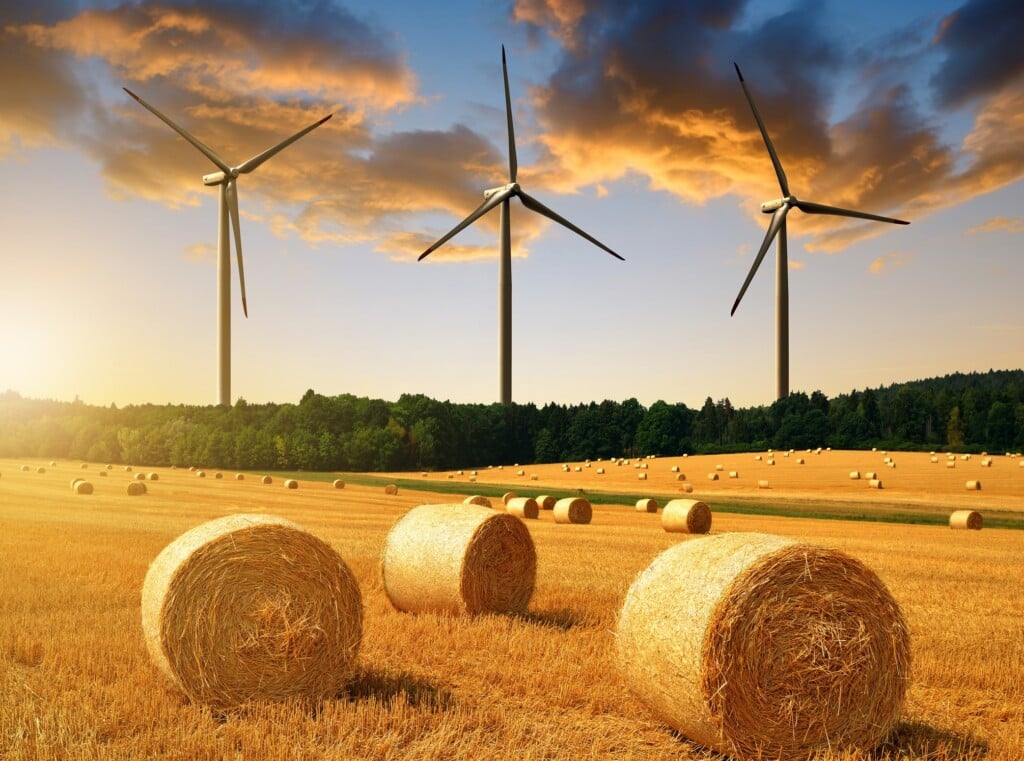
In some rural counties, clean energy is the largest new source of economic activity, helping stabilize local economies otherwise reliant on agriculture’s unpredictable income streams. These projects also support rural manufacturing.
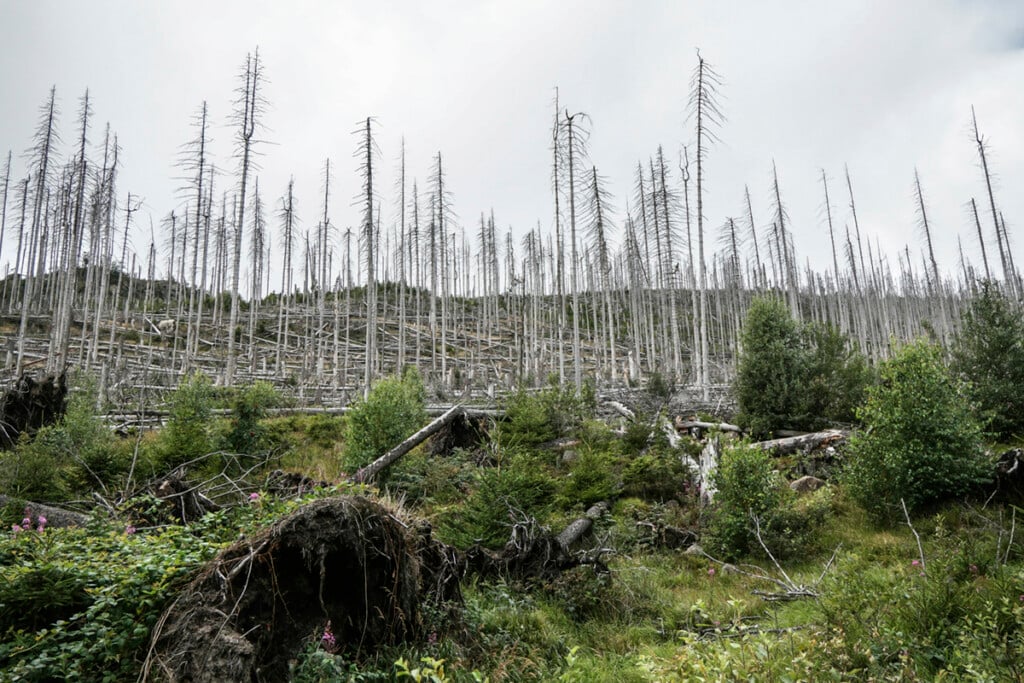
They may look lush and green, but some forests are already on borrowed time. These so-called “zombie forests” are made up of trees that are still alive but no longer capable of reproducing in the changing climate around them.
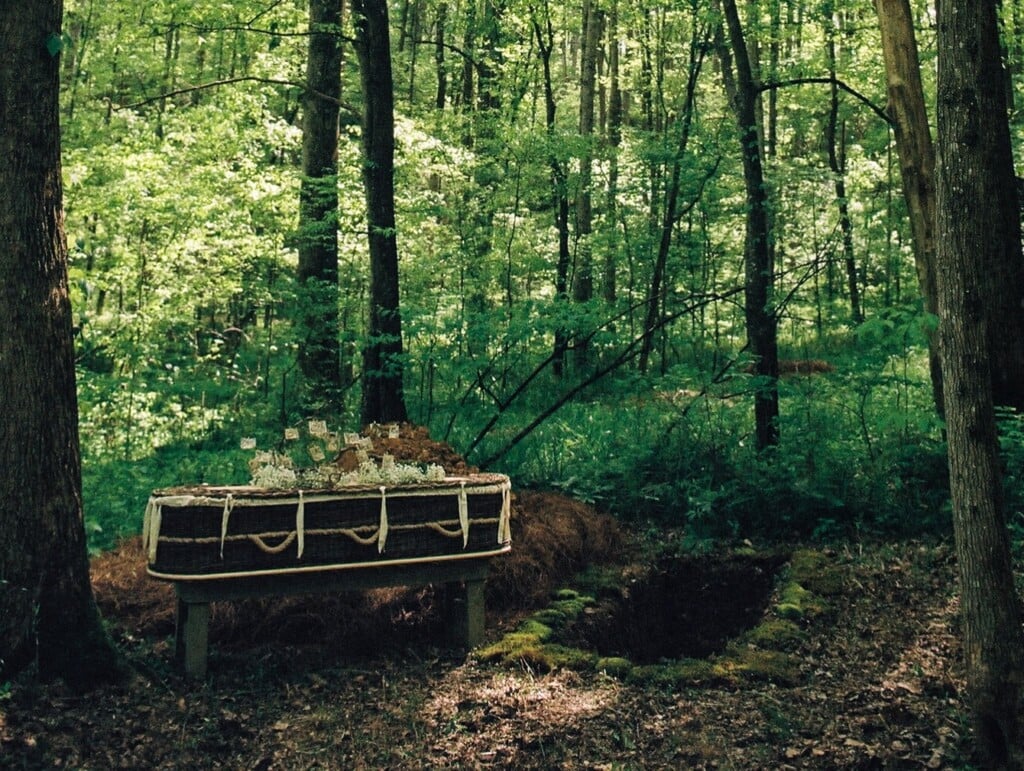
Buying a cemetery plot where I can have a green burial, on the other hand, proved to be surprisingly affordable and will allow my body, once no longer in use, to decompose as quickly and as naturally as possible, with minimal environmental damage.
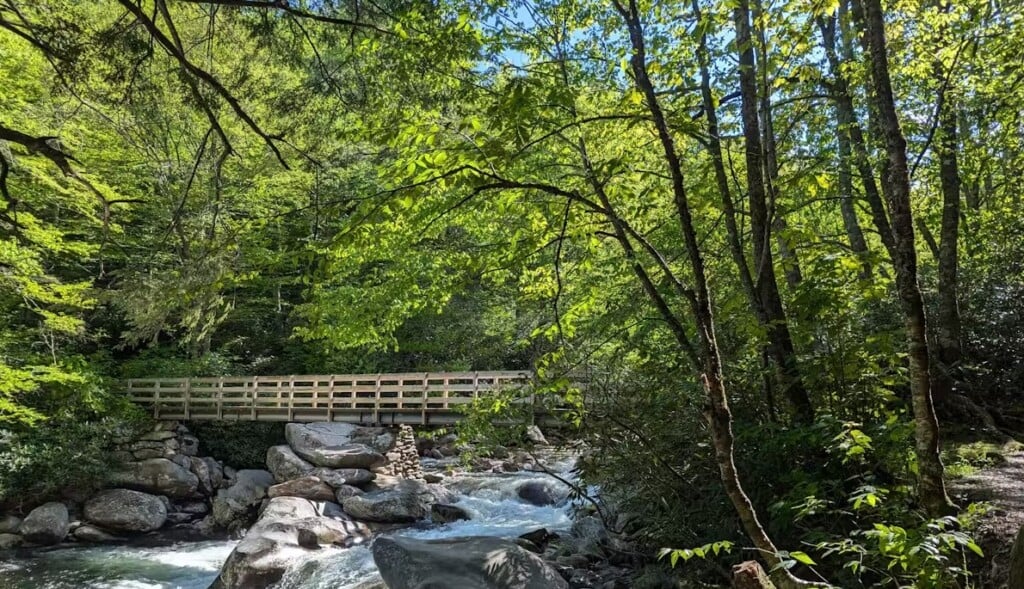
If you’re one of the 63 million Americans who went hiking last year, chances are you’ve found yourself needing to go, with no toilet in sight. Aside from personal inconvenience, why is this such a big deal?

Although it’s discouraging to see the EnergySTAR program potentially cut, it’s valuable for households to make an effort to improve their energy usage or buy energy-efficient appliances, in whatever steps possible for them.
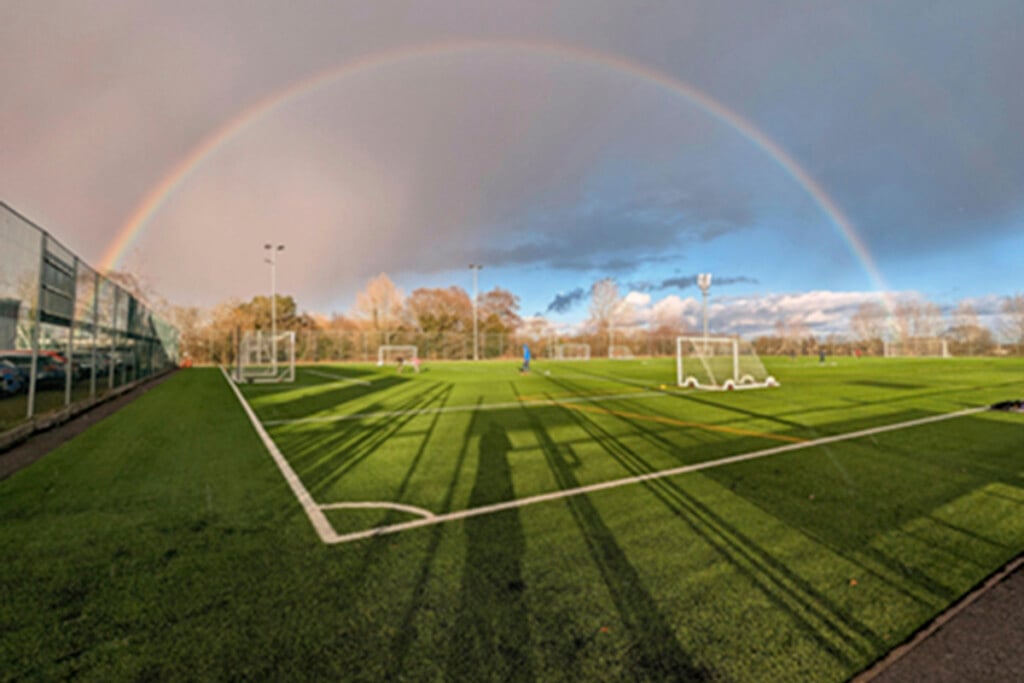
Artificial turf fields have been rising in popularity as a low-maintenance (no mowing or watering) alternative to natural grass. Can you set the record straight about whether artificial turf is actually bad for our health and/or the environment?

In addition to industrial projects, the loss of biodiversity through deforestation and the subsequent extinction of animal species decreases food sources and the supply of traditional medicine. Citizens and governments must make efforts toward preserving the cultures and homelands of hunter-gatherer groups.
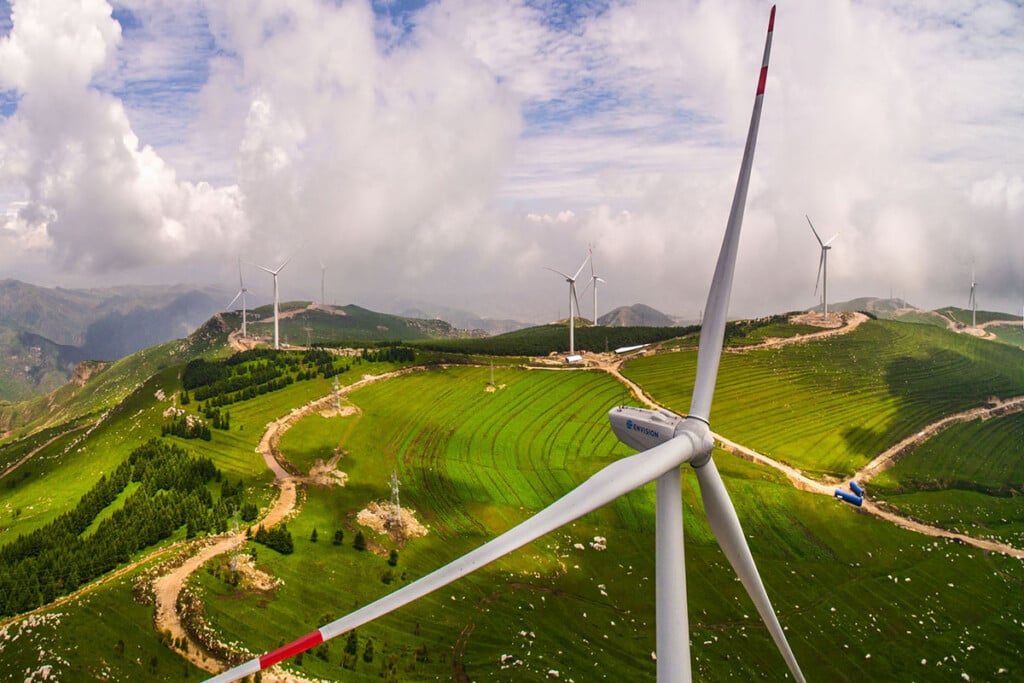
Clean energy generation — or energy generation without the output of harmful greenhouse gases — has become an increasingly hot topic in today’s race for productivity and the growing global emphasis on eco-consciousness.
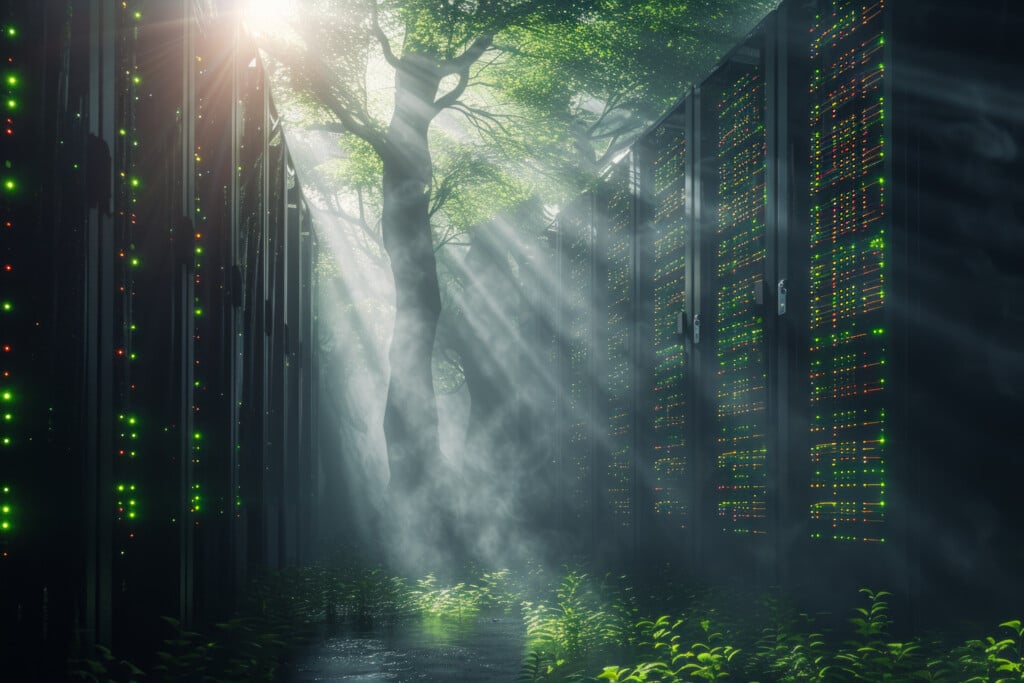
Environmental advocates warn that AI’s rising energy use, increased emissions from building infrastructure, and the potential to slow down clean energy efforts may become serious threats in our fight against climate change.

Public lands are more than just wilderness or national parks. They are places for work and play. Without wild places, the U.S. would be just like every other over-industrialized place in the world.

Beneath the glossy finish of a manicure or pedicure may lie health and environmental concerns. With greater awareness and support for greener innovation, we can shape a nail care industry that prioritizes long-term health over short-term beauty.

Now that we know plants are sentient beings that nurture their young, care for the sick and injured, feed the ecosystem with the molecules of life, feel pain and stress, communicate on many levels, remember, learn, make decisions, hear, and see, we must treat them humanely, just as we do animals.
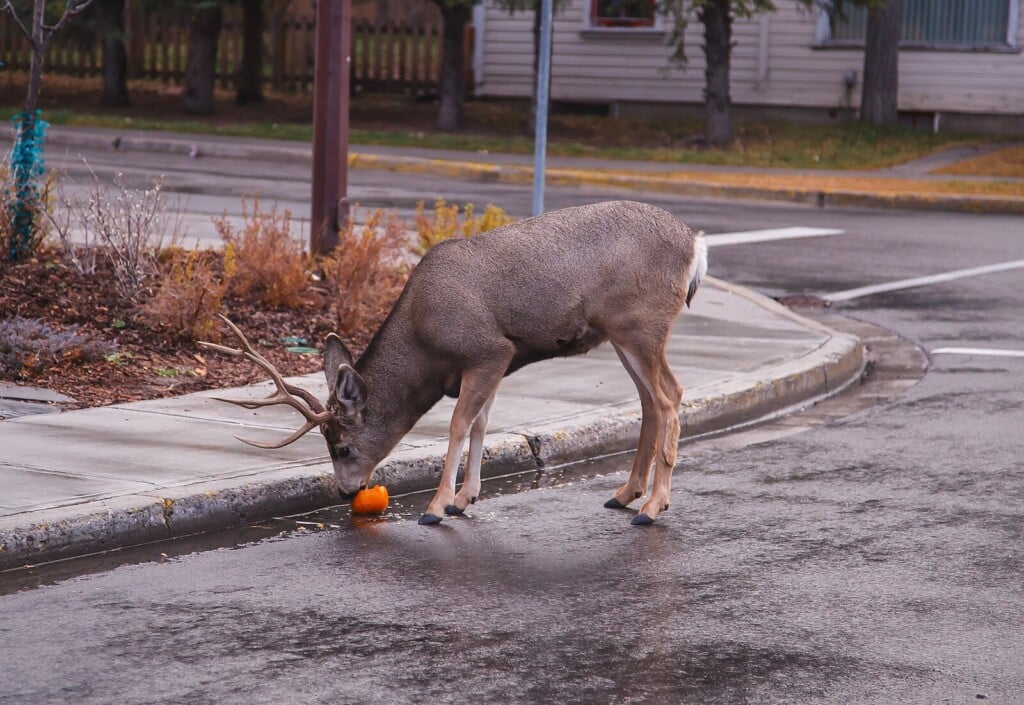
When people think of wildlife, they often picture animals wandering in nature. However, in the past 15 years, scientists have found more animals moving into and thriving in cities — sometimes even more successfully than in their natural habitats.

Of all the damage Team Trump may be wreaking, the assault on climate policies is the most existential. And the threat extends far beyond the borders of America to those who have no vote in the matter.

As consumers, it's essential to stay informed and critical of the beauty and grooming products we purchase. While greenwashing tactics continue to plague the industry, there are brands out there genuinely committed to environmental and social responsibility.

Many don’t consider wood pellets renewable resource, which is one that does not exhaust Earth’s resources. Trees that are ideal for wood pellets don’t quickly regenerate. One idea has been to use fast-growing pine plantations, but they’re less biodiverse and bad at capturing carbon.
Find online and in-person classes, workshops, trainings, conferences, meditations, events, groups and more. Listings are free!