EarthTalk: Fires In The Amazon Rainforest
Dear EarthTalk: What are the ramifications of these horrendous fires taking place now in the Amazon Rainforest? What can be done to stop the madness?
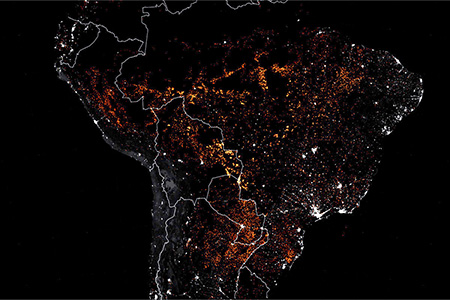
Dear EarthTalk: What are the ramifications of these horrendous fires taking place now in the Amazon Rainforest? What can be done to stop the madness?

Here’s a list of ideas that can help steer you towards creating a more sustainable and eco-friendly home.
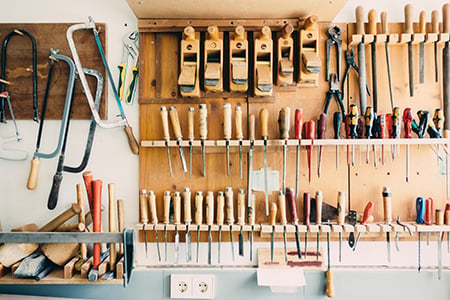
Many libraries loan far more than books — unique libraries around the world offer patrons the chance to check out everything from baking pans to robotics kits.
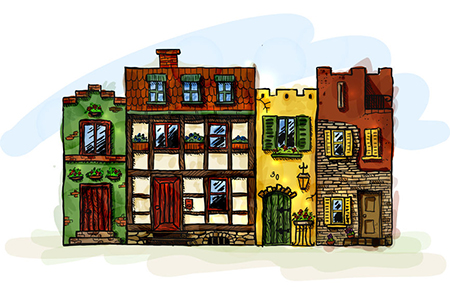
Living with others isn’t just for college roommates anymore. Collaborative housing is a great option for anyone who wants to live in community.

Despite being largely phased out a decade ago because of their adverse health effects, PBDEs continue to show up in everyday products made from recycled plastics.
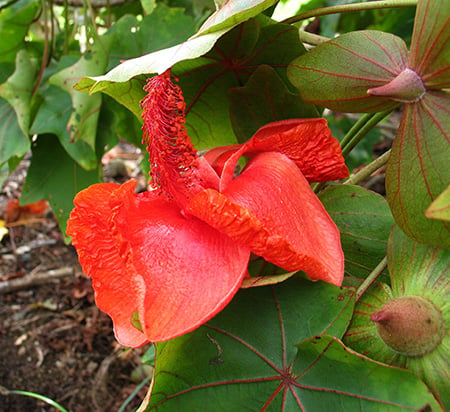
We take plants for granted because they are all around us, but more than 20 percent of the world's known plant species are threatened with extinction. It’s time to urge our elected representatives to protect plants with a stronger Endangered Species Act.

Confusion among terms like bioplastics, bio-based and biodegradable plastics makes it hard to discern — and make — the environmentally responsible choice.
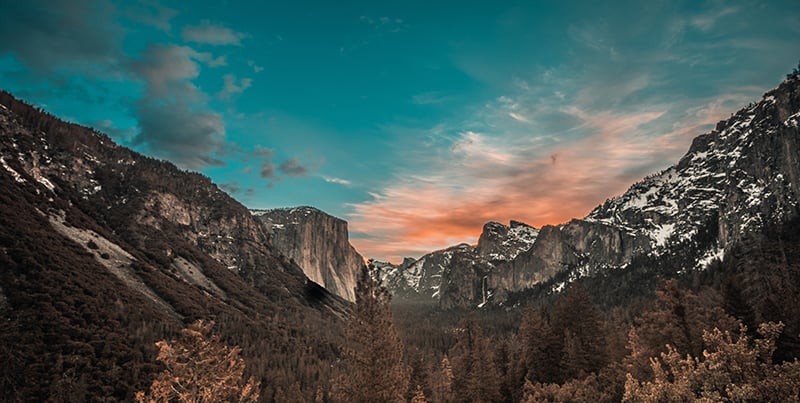
Dear EarthTalk: I was appalled to find out on a recent backpacking trip to Yosemite National Park that I could get three bars of service on my cell phone. What about getting away from it all?
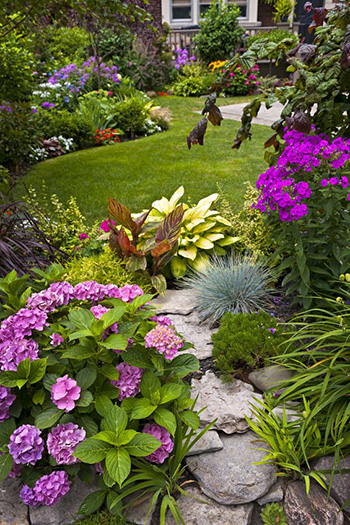
Have you ever wondered how you can make your backyard look and feel like a tropical paradise? With a few simple techniques in layout, color, and plant choices, you’ll be enjoying your personal tropical paradise in no time.
Freshly cut grass is a quintessential smell of summer. While the smell might conjure memories of lemonade stands and kids playing outside, it also serves another purpose.
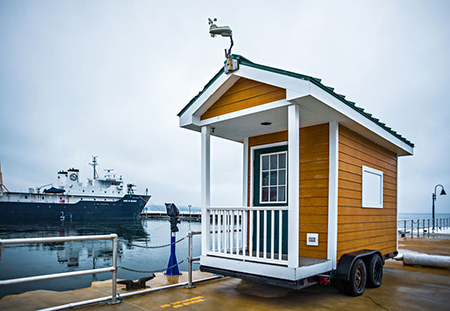
Interest is surging in tiny homes – livable dwelling units that typically measure under 400 square feet.
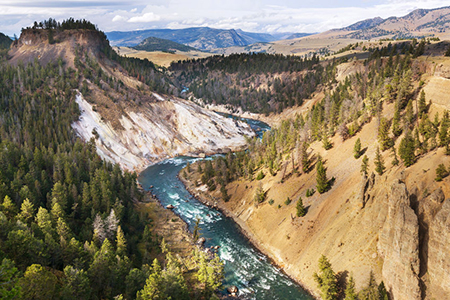
Imagine, for a moment, a world without national parks. Yellowstone National Park is just a combo of cattle ranchers and gated communities for rich people who like the empty views.
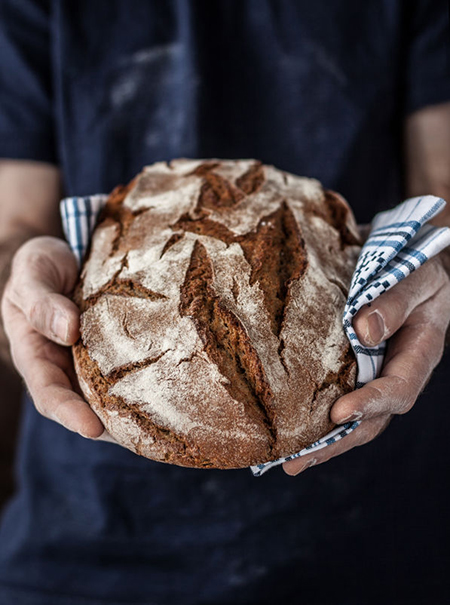
Back in 2014, I read an article about the Buy Nothing Project, a collection of independent Facebook groups across the country where members can give and receive freely in their own neighborhoods.
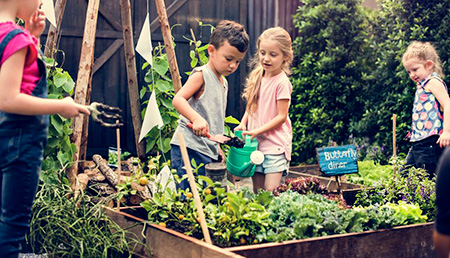
Here are a few helpful hints to get you and your family started on a green journey.
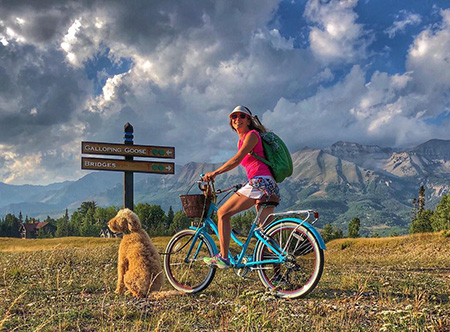
The use of electric bicycles, or e-bikes, is an innovative step towards efficiently cutting the need for burning fossil fuels by allowing anyone to use a bike for transportation regardless of health, stamina or hilly terrain.
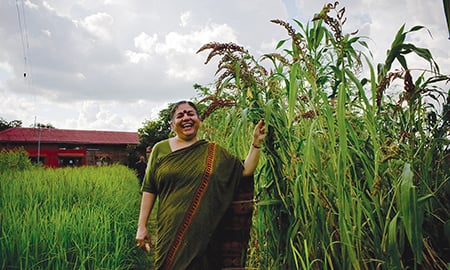
We need to value nature’s biodiversity, clean water, and seeds. For this, nature is the best teacher.
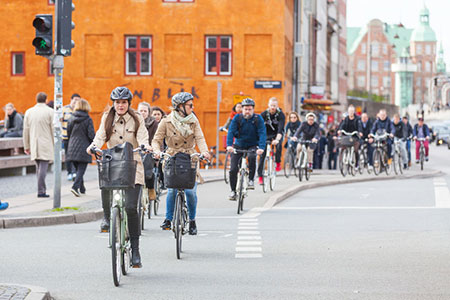
The sheer scale of the individual and societal shifts needed to avoid the worst of climate change might seem immobilizing. But real progress remains within reach…
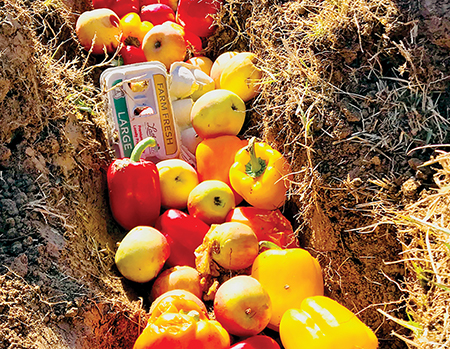
The perfect soil mixture can do more than grow food.
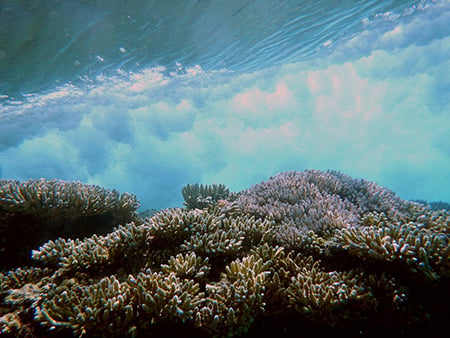
More than $100 billion has been appropriated to recover from hurricanes Harvey, Maria and Irma; it would make economic sense to spend some of these funds on rebuilding reefs.
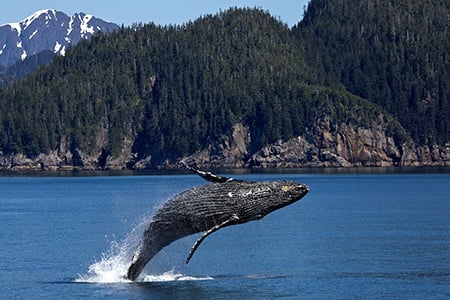
Dear EarthTalk: Why are so many gray whales washing up dead on west coast beaches this spring?
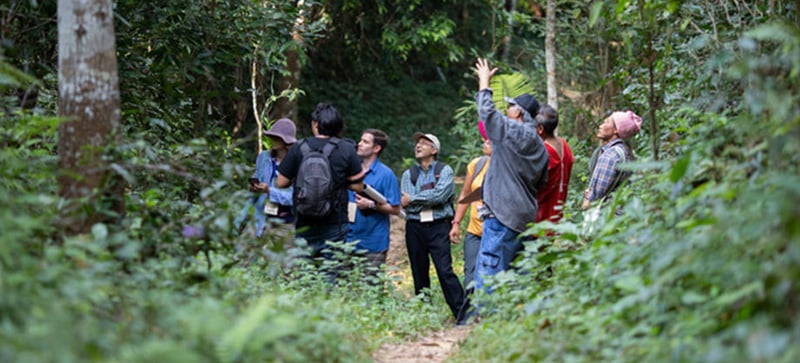
When it comes to conservation, it’s tempting to think that science is the only guide to good policy.
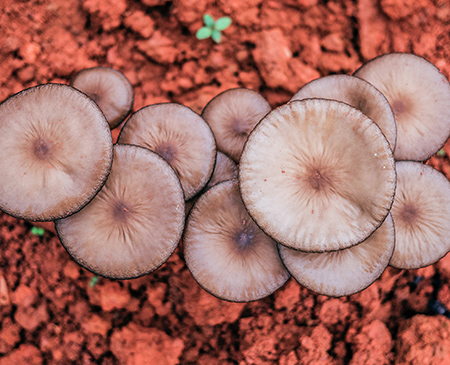
An Indigenous-led organization in New Mexico is using fungus in an attempt to remove chemicals from soil.
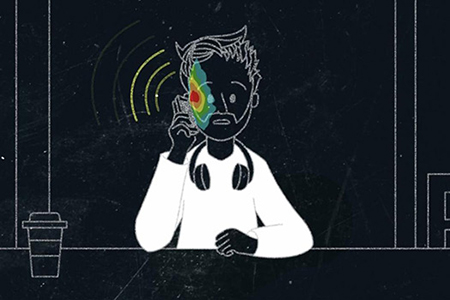
National Grid is engaged in a regulatory process to replace gas and electric meters in RI, MA, and NY with next generation two-way wireless meters.
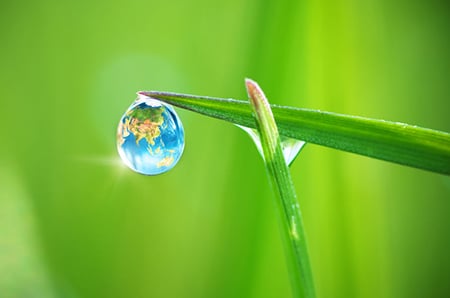
As environmentalists, we often refer to our work as “saving the planet.” This is unhelpful for a couple of reasons.

Dear EarthTalk: I’ve heard about “Zero Waste” grocery stores in Europe where everything is sold in bulk and customers bring and fill up their own reusable containers and bags. When will we get some of these here on this “side of the pond”?
Find online and in-person classes, workshops, trainings, conferences, meditations, events, groups and more. Listings are free!