After The March Against Monsanto—What’s Next?
We have always actively participated in the global March against Monsanto, and we will continue. But we also recognize that anti-Monsanto protests alone have not forced enough change, fast enough.

We have always actively participated in the global March against Monsanto, and we will continue. But we also recognize that anti-Monsanto protests alone have not forced enough change, fast enough.
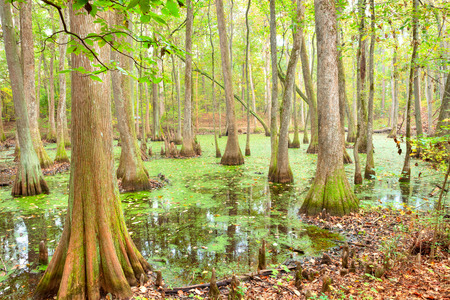
If we reduce logging and unsustainable uses of wood, we can increase the rate at which our forests remove carbon dioxide from the atmosphere and ensure that it will remain stored in healthy forests.

New research into the world’s most widely-used pesticide raises concerns for fetal health, according to researchers from the Children’s Environmental Health Network.

Dear EarthTalk: Why do rooftop solar panels have to be so big and unsightly? Are there any better-looking alternatives out there?

Franklin Roosevelt’s statement, “The nation that destroys its soil destroys itself,” is as true today as it was 75 years ago.

Entomologists blame the drought for the surge of gypsy moths and officials from the department said they partnered with the Connecticut Agricultural Experiment Station in New Haven to release information to the public about gypsy moths and their eggs.

The Senate Committee on Global Warming and Climate Change wants to hear your thoughts on clean energy and climate.
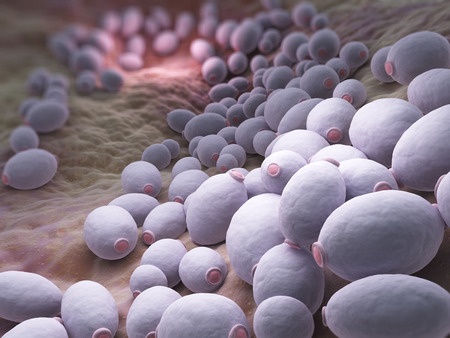
Scientists and physicians are looking for clues to a worrying increase in fungal infections and exploring ways to reduce the threat.
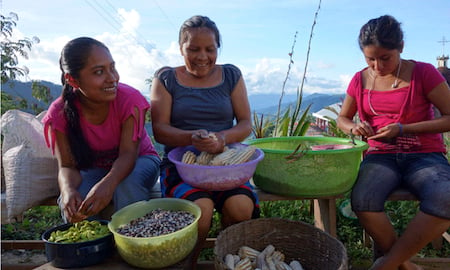
Watch this movie to get inspired about saving seeds. And then do it.
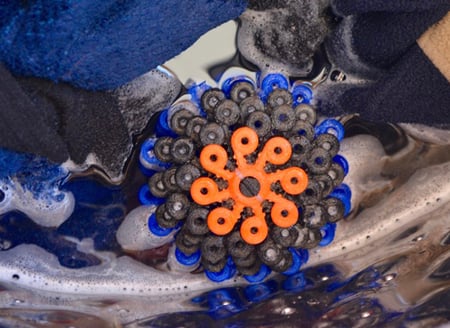
The Cora Ball works in any washing machine by catching microfibers so they can’t make their way into our waterways and food chains.
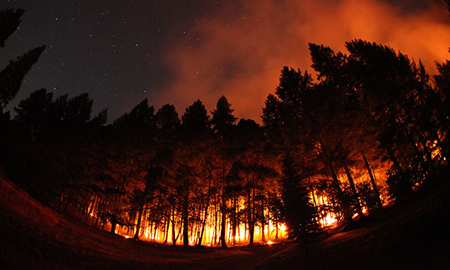
The Karuk were once denied the right to practice an ancient tradition. Now scientific and resource management circles are seeing the merits of controlled burning.

From getting organized to getting household surfaces to sparkle, these tips cover everything to clean out and clean up the green way!

The climate crisis is a problem caused by humans that can be solved by humans. These three cities are proving it.
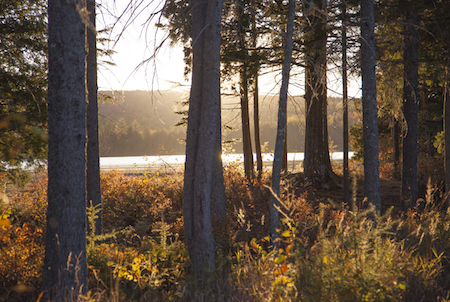
A new paper published in the Journal of Forestry reveals that New England’s forests can mitigate climate change much more than previously thought.

The James Madison University Environmental Sensitivities Research Team is inviting adults aged 21 and over who have experienced environmental sensitivities (chemical and/or electrical) to participate in an online study.

This is extremely important to our children’s future and your voice may make a difference.

Without the U.S. Environmental Protection Agency (EPA), Americans would breathe dirtier air, drink more polluted water and live and grow food on contaminated soils.

The northern hemisphere is experiencing a much earlier spring due to global warming, causing problems for plants and wildlife as the natural cycle goes out of sync.

The UK is poised to exploit tidal energy, a new renewable source that is cheaper than nuclear and more reliable than wind.

The green-thinking consumer has already implemented a number of helpful changes. Fuel-efficient cars, better insulation in homes, and modernized appliances all play a part in cutting energy consumption for the eco-friendly individual today.
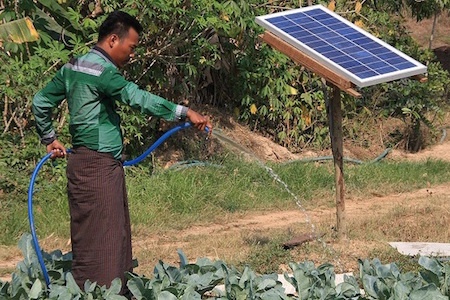
Every mouthful of food eaten by virtually every creature on Earth depends ultimately on the sun. But it can do much more than nurture the crops that feed us − and humans are starting to exploit this potential in striking new ways.

Clean energy supporters in Massachusetts announced legislation committing Massachusetts to get 100 percent of its energy needs from clean and renewable sources by mid-century.

The environmental impacts of our clothing choices are shocking, as studies assessing toxic effects of various fabric treatments to laundry detergents and the fabric fibers themselves need serious attention.

Cities are hubs of commerce, politics, population — and evolution? Yep. Due to human-wrought environmental change, biological evolution moves more quickly in cities than in other areas.
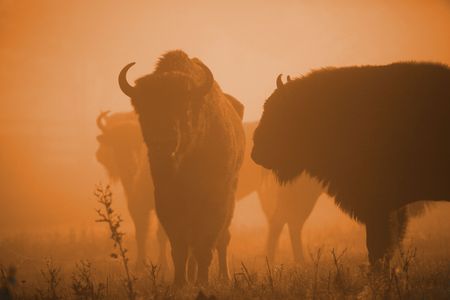
Under continued pressure from Montana livestock interests, Yellowstone National Park is sending hundreds of America’s last wild buffalo—the National Mammal of the U.S.—to slaughter.
Find online and in-person classes, workshops, trainings, conferences, meditations, events, groups and more. Listings are free!